Manufacturers already have the knowledge they need to support their products. The challenge is that much of it is never fully captured.
Engineering creates CAD data, BOMs, schematics, and specifications. Once equipment reaches the field, years of troubleshooting, service cases, and technician experience create another layer of knowledge about how those machines actually behave.
Much of that expertise stays hidden. It surfaces during difficult repairs, support escalations, and in the judgement of senior technicians who know what years of working on the equipment have taught them beyond the manual.
Zea describes this as the gap between canonical knowledge and the tribal knowledge developed in the field. When that expertise remains uncaptured, manufacturers repeatedly solve the same problems and become dependent on a small number of experts.
The opportunity is to turn that hidden expertise into manufacturing intelligence: technical knowledge that can be captured, connected, reused, and improved over time.
Your Hidden Technical Knowledge Is Becoming a Workforce Risk
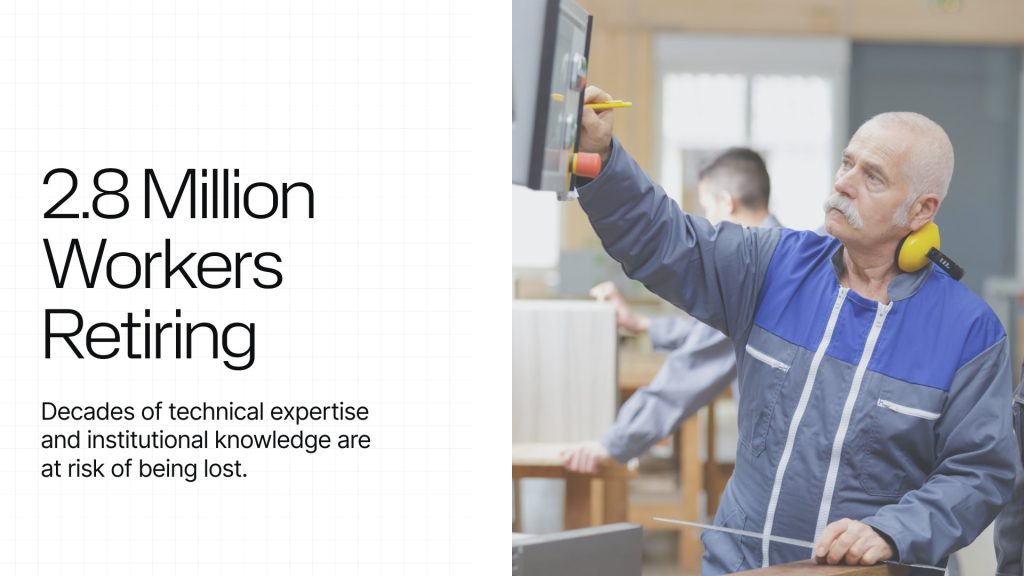
Nearly 2.8 million manufacturing workers are aging out of the workforce, taking decades of technical and operational experience with them.
What manufacturers risk losing is not just headcount, but hard-earned expertise: diagnostic instincts, knowledge of legacy equipment, unusual failure patterns, and the context behind solutions that may never have made it into a manual. 97% of manufacturers surveyed are concerned about losing institutional and technical knowledge as experienced workers leave.
The risk is compounded by the lifespan of industrial equipment. Machines can remain in service long after the people who know them best have retired. The next generation of technicians inherits the equipment, but not necessarily the experience required to diagnose its history, quirks, and less obvious failure modes.
That gap shows up quickly in service operations: more issues escalate to senior experts, newer technicians take longer to troubleshoot, and previously solved problems have to be solved again.
Manufacturers don’t just need to transfer knowledge before people leave. They need to capture expertise as it is created, preserve it beyond the individual, and make it usable by whoever needs it next.
Your Current Knowledge Model Wasn’t Built to Learn, Scale, or Compound
Manufacturers have always transferred expertise through manuals, service records, training, shadowing, and conversations with senior technicians. These methods are valuable, but they depend heavily on people documenting what they know and others knowing where to find it.
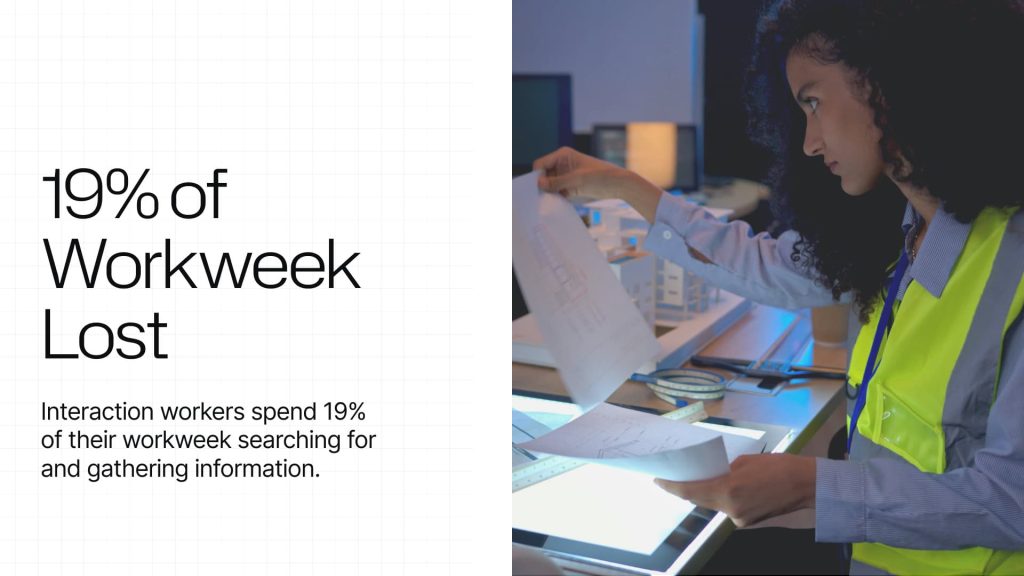
That becomes difficult at scale. McKinsey research found that interaction workers spend 19% of their workweek searching for and gathering information.
For technical service teams, finding the answer can be even more complex. The solution may require connecting a manual, service history, machine revision, previous repair, and something an experienced technician learned years ago. When that context isn’t readily available, the fastest option is often still to find the person who knows.
And that’s where the old model breaks down. Much of an expert’s most valuable knowledge only surfaces while solving real problems. A difficult issue gets escalated, the senior technician applies years of experience, the machine gets running again, and everyone moves on. Unless that reasoning is captured, the next technician may have to solve the same problem again.
Manufacturers don’t need another place to store knowledge. They need a way to capture expertise as it happens, connect it to the technical information they already have, and make it reusable the next time it matters.
The New Model: Automating Knowledge Capture, Learning, and Compounding
Every escalation exposes a knowledge gap. A technician reaches the limit of the manual, service history, or their own experience and turns to a senior expert. The expert solves the problem, the case closes, and unless that expertise is retained, the next technician may eventually hit the same gap.
An AI-powered approach to technical knowledge changes that cycle. It starts with the manufacturer’s existing technical information and makes it accessible during real support interactions. But it doesn’t remain limited to what it knew on day one. It learns alongside your team, capturing and retaining new knowledge as problems are diagnosed and solved.
When existing knowledge isn’t enough, an expert can step in and provide the missing context, diagnostic reasoning, or resolution. That knowledge is captured as part of the interaction, validated, and stored as part of the organization’s growing technical knowledge. The next time a similar issue appears, the system can draw on what it learned from the previous case instead of starting from the same information again. The difference is fundamental:
Traditional knowledge system:
Knowledge is created → documented → stored → searched → retrieved
AI-powered technical knowledge model:
Existing knowledge is used → gaps emerge → experts fill them → new knowledge is captured and validated → the system retains what it learns → future interactions start smarter
Knowledge is stored.
Information is documented and retrieved, but new expertise isn't automatically retained.
Created
Knowledge compounds.
AI-assisted workflows capture and validate expert insights, turning individual experience into reusable organizational knowledge.
Accessed
Identified
Captured
Retained
Traditional systems help you retrieve what you already know. AI-powered knowledge systems can help capture and retain what your organization learns.
Over time, the knowledge compounds. One service case adds a new troubleshooting path. Another captures an undocumented failure mode. An expert escalation adds context that never existed in the manual. Each validated interaction expands the technical knowledge available for the next problem.
The result is not simply a larger repository. It is an approach to technical knowledge that learns as your organization works, remembers what it learns, and becomes more capable with every validated interaction.
As manufacturers connect more of their operations through Industry 4.0, technical knowledge cannot remain dependent on static documents and individual memory.
That is the model behind Zea Cortex.
Meet Cortex: Turn Hidden Expertise Into Manufacturing Intelligence
Cortex is Zea’s AI platform for manufacturer support, technical documentation, and knowledge management. It helps manufacturers troubleshoot equipment faster, reduce dependence on senior experts, and preserve the knowledge created as technical problems are solved.
Cortex starts with what your organization already knows. It brings together technical documentation, engineering data, BOM hierarchy, service histories, and other product information to create an intelligent support layer technicians can interact with when troubleshooting equipment.
But documented knowledge is only part of what your organization knows.
Cortex also brings human expertise into the knowledge loop. When existing information isn’t enough to resolve an issue, Cortex can involve an experienced technician, capture the missing knowledge from that interaction, and retain the validated resolution for future use.
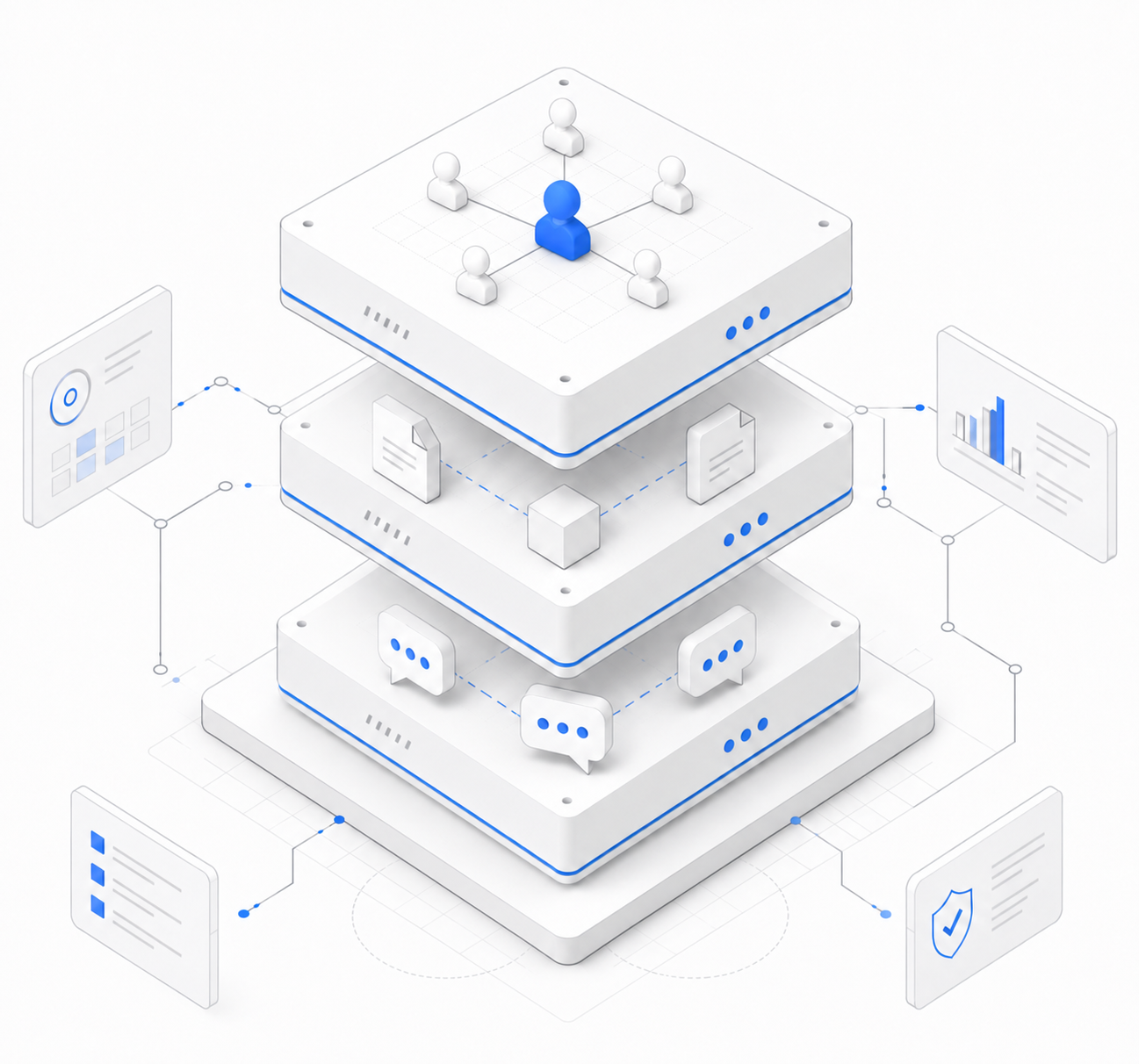
This gives Cortex three layers of manufacturer intelligence:
Three layers of knowledge.
One intelligent system.
Cortex combines foundational AI capabilities, your organization's technical information, and expertise captured from experienced technicians.
Language understanding and reasoning capabilities of the underlying AI.
Technical manuals, BOMs, CAD data, and service histories that provide context about your equipment.
Expert insights captured, validated, and retained through real support interactions.
Cortex in Action
Imagine a technician troubleshooting a conveyor that repeatedly jams during startup. Cortex uses the available technical information to identify known causes and guide the technician through the relevant troubleshooting steps.
Then an unexpected grinding noise appears that the existing knowledge doesn’t cover. Cortex recognizes the gap and escalates the issue to an experienced technician with the relevant context already gathered.
The expert identifies a worn drive sprocket and provides the appropriate diagnostic and corrective action. Cortex captures and retains that expertise, allowing the validated resolution to become part of the corpus of knowledge in Cortex.
When another technician encounters the same combination of symptoms, Cortex can draw on what it learned from the previous interaction instead of repeating the same escalation.
One problem solved. One knowledge gap closed. Every technician who comes next gets an answer quickly, getting them back to the important task of fixing the machine. The flywheel of knowledge is constantly gaining momentum.
That is what separates Cortex from simply putting AI search on top of a knowledge base. It starts with what your company already knows, learns from what your experts know next, and turns both into manufacturing intelligence that can grow and compound over time.
An unexpected
problem.
A conveyor jams during startup. An unusual grinding noise isn't covered by existing documentation.
When knowledge runs out,
expertise steps in.
Cortex identifies the gap and brings an experienced technician into the troubleshooting process.
Existing technical guidance reviewed.
Grinding noise not documented.
Worn drive sprocket identified.
Diagnosis and resolution retained.
The answer
stays.
Validated expert insight becomes available for future troubleshooting.
Worn Drive Sprocket
Startup jamming
Grinding noise
Experienced technician
Validated & Retained
The Operational and Business Impact of Cortex
When technical knowledge becomes easier to access, retain, and reuse, the impact extends beyond the support desk. It changes how efficiently manufacturers use their experts, develop technicians, support customers, and scale service operations.
Resolve Technical Issues Faster
Technicians can work from technical documentation, service history, product data, and previously captured expert knowledge in the same support experience. Instead of searching across systems or waiting for the right person to become available, they can get to relevant troubleshooting knowledge faster. The result is shorter resolution times and less equipment downtime.
Reduce Dependence on Senior Experts
Cortex doesn’t remove experts from technical support. It makes better use of them. Previously validated insights means agentically handling questions that would otherwise consume the valuable time of senior technicians, while genuinely new or complex problems can still be escalated.
Experts spend less time repeating answers and more time solving problems that actually require their experience.
Get New Technicians Up to Speed Faster
Years of field experience are difficult to reproduce through onboarding alone. Cortex gives newer technicians access to knowledge accumulated through previous service interactions, including troubleshooting paths and expert resolutions that may never have existed in the original documentation.
They can benefit from years of organizational experience without needing years to accumulate it themselves.
Preserve Expertise Beyond the Individual
When experienced technicians retire or leave, their captured knowledge doesn’t have to leave with them. Diagnostic insights, legacy-equipment knowledge, and previously solved failure modes can remain part of the manufacturer’s technical intelligence, reducing key-person dependency and improving continuity across workforce transitions.
Scale Support Without Scaling at the Same Rate
As the installed base grows, support demand grows with it. Making existing knowledge and previously captured expertise reusable allows more issues to be handled without requiring the same growth in senior support capacity.
That creates a more scalable model for supporting customers, technicians, dealers, shifts, expanding into new regions, and supporting customers in their own native languages.
Build a More Resilient Service Operation
Technical expertise is vulnerable when it remains concentrated in specific people, teams, shifts, or locations. Retirement, turnover, geographic expansion, and new generations of equipment can all create gaps in support continuity.
By retaining technical knowledge beyond the interaction or individual that created it, Cortex helps manufacturers build a service operation that is less dependent on who happens to be available and better prepared to carry expertise across workforce and product changes.
The result is not simply faster troubleshooting. It is a more scalable and resilient way to preserve and apply technical intelligence across the organization.
Build the Future of Your Manufacturing Knowledge With Cortex
The most valuable manufacturing knowledge isn’t created once. It is built over years of designing, operating, troubleshooting, repairing, and improving complex equipment.
The question is whether that experience accumulates within your organization or disappears with the people and moments that created it.
Cortex gives manufacturers a different path. Instead of treating every support case as an isolated problem to close, it creates an opportunity to build intelligence that remains useful long after the interaction ends.
That changes what technical knowledge can become: not a static record of what your organization knew yesterday, but a living manufacturing asset that grows with your products, your people, and your installed base.
Your experts won’t be there forever. What they teach your organization can be.
Turn Your Tribal Knowledge Into Manufacturing Intelligence.
Capture, validate, and retain the expertise that drives your operations.